This step-by-step guide covers how to make chenille patches from start to finish - what chenille patches are, the chenille patch materials you'll need, and the full chenille patch making process of designing, digitizing, stitching, trimming, and backing. Along the way, you'll pick up practical chenille design tips for creating bold, durable, and premium-looking patches.
To make chenille patches, create a bold design, select quality chenille patch materials, digitize the artwork, then stitch it on a chenille embroidery machine before trimming the patch and adding a backing.
Chenille patches are one of the most common choices while working on varsity jackets, attractive fashion apparel and sport teams alongside schools and other brand merchandise. Whereas, the materials that these chenille patches have are quite soft, and have a fuzzy texture with a shiny and premium appearance making them stand out from the crowd.
Traditional patches are not as attractive as chenille patches and we are more than excited to draw your attention to the chenille design tips, and how to create chenille patches for yourself.
Whether you are designing a chenille patch for your own clothing brand or want to learn about the process for your final year project, this blog is the right place for you. We will help you learn the chenille design tips and process leading to the creation of durable and visually appealing patches design.
Are you excited to explore it with us? Let's get started then.
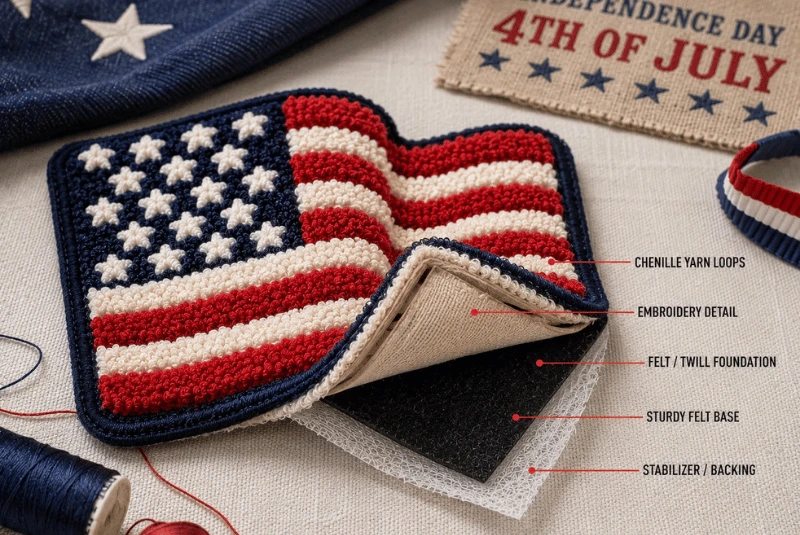
Before we jump into chenille design tips, let's first learn about chenille patches core meaning. These are decorative fabric patches made using thick and looped yarn stitches for a twill backing. Unlike standard embroidery, chenille creates a raised, fluffy texture that gives patches a distinctive 3D appearance.
You may find chenille patches on:
They're also a popular choice as Chenille Patches for Denim jackets, hats, and everyday casual wear.
Here is the quick comparison between traditional and chenille patches:
| Attributes | Traditional Patches | Chenille Patches |
|---|---|---|
| Texture | Flat stitched surface | Soft, raised, fuzzy texture |
| Appearance | Detailed and crisp | Bold and plush 3D look |
| Ideal for | Logos and badges | Varsity jackets, fashion, team apparel |
| Design Detail | Ideal for intricate designs | Simple and bold designs |
If you're still weighing your options, this Chenille vs Other Embroidery Types breakdown makes the differences easy to see.
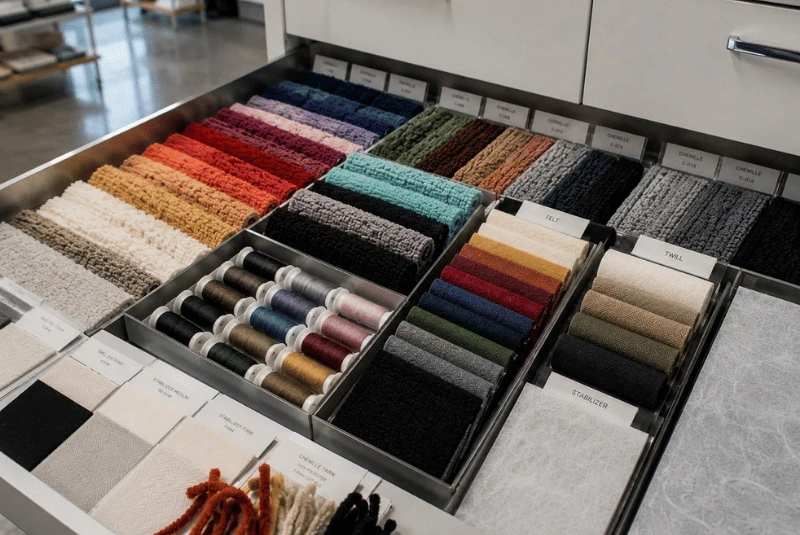
Choosing the right chenille patch materials is the foundation of every durable, premium-looking patch.
Before you begin, gather the following materials:
For a deeper look at your options, this Patch Material Comparison lays out how felt, twill, and other backings stack up.
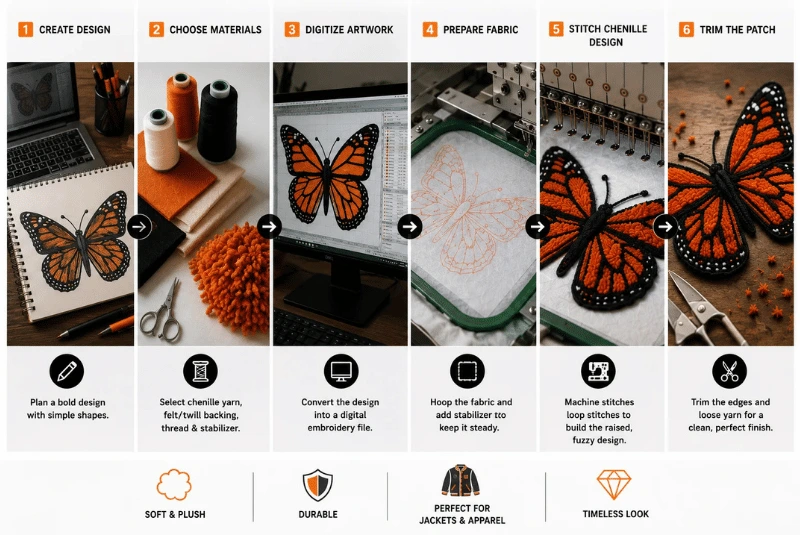
Let's unfold the chenille patch making steps:
The initial and most important step to create the artwork that is suitable for chenille embroidery work. A successful chenille patch design would include bold lettering, large shapes, minimal intricate detailing and thick outlines with limited text.
Once you choose quality material, the design would definitely impact the final appearance of the chenille patch. Most of the leading manufacturing firms are using premium acrylic chenille yarn with wool felt backing, polyester embroidery thread and durable twill for commercial patches.
Perhaps, before you kick start the embroidery process, the artwork should be converted into a digital embroidery file for easy digitizing. You may hire The Embroidery Guys for the seamless conversion. Digitizing includes, stitching the direction, yarn density and chain stitch placement for better results.
The next step in chenille patch making is to attach the felt or twill fabric with the embroidery frame and place the stabilizer smoothly under the fabric for preventing the stretching during the stitching process.
You should choose the right quality of stabilizer that doesn't make the material torn apart during the stitching process.
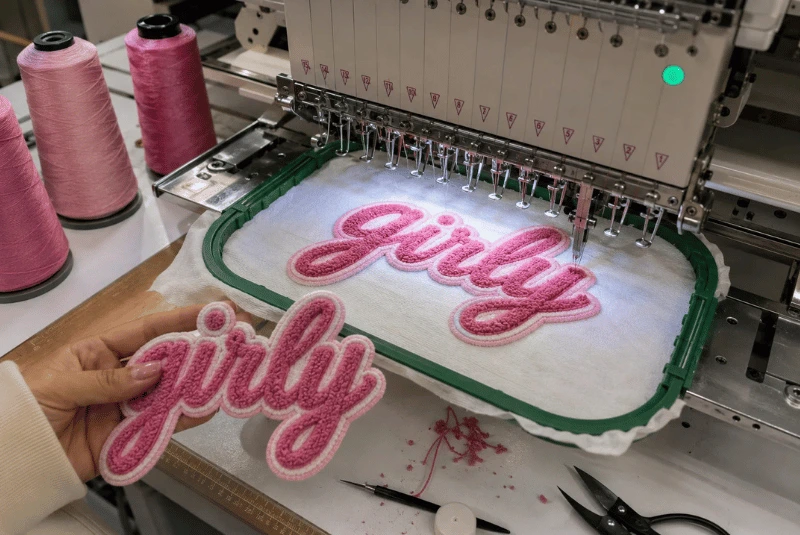
This is one of the craziest steps in the chenille patch making process as the chenille embroidery machine helps in creating loop stitches, mops and chain stitches.
These stitches help in building raised, fuzzy textures that define the chenille patches more amazingly. Moreover, the chenille stitching is completed with regular embroidery thread that is used for creating borders, fine lettering and logos for brands.
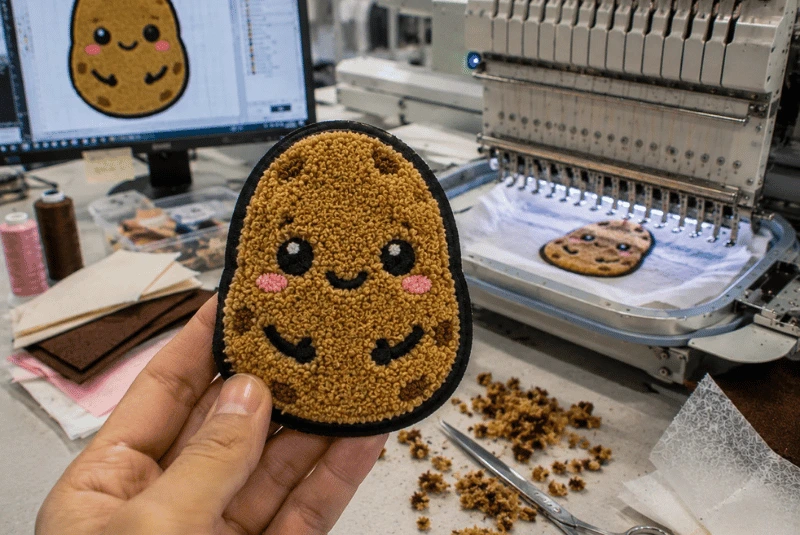
Once the embroidery is finished, the patch is cut into desired shapes like circle, shield, rectangle and oval.
Pro Tip
You may choose laser cutting for the best cuts and fits.
Last steps would be adding back to the patches to make it attach with the garments. There are different options available like, iron-on that is ideal for jackets, hoodies and casual clothing.
Whereas, sew-on that offers maximum durability for long-term use. And velcro that is perfect for military uniforms and tactical gear along with removable patches.
The chenille patch design tips include:
And we are done for the day. We hope you all enjoyed reading about the process to make chenille patches and it's quite easy and simple once you understand the material type and equipment with production techniques. From designing the bold artwork to the selection of quality chenille yarn to digitizing, stitching and training the backing to perfect selection of colors contributing to the patch designing that is 100% durable and visually appealing - chenille patch is the right choice for you.
You will have to invest in high quality material and pay close attention to the design and finishing detailing so you can create chenille patches that not only look premium but also stand out from the crowd.
Customer satisfaction is our top priority. Feel free to contact us for any queries or assistance. Looking forward to serving you with our top-notch design services
Most of the chenille patches are made up of thick, fuzzy yarn loops stitched onto a sturdy felt backing.
You can attach iron-on chenille patches by setting your iron to a medium-high temperature without steam, placing a protective cloth over the patch, and pressing firmly.
Chenille patches are used to decorate classic varsity or letterman jackets, school and university apparel, and sports team uniform.
Yes. When made with quality chenille patch materials and finished with a proper backing, chenille patches hold up well to regular wear and washing, making them a long-lasting choice for jackets and apparel.
Professional results rely on a chenille embroidery machine to create the signature loop and chain stitches. Small DIY versions can be hand-tufted, but the texture and durability won't match a machine-made patch.
Already have an account? Login