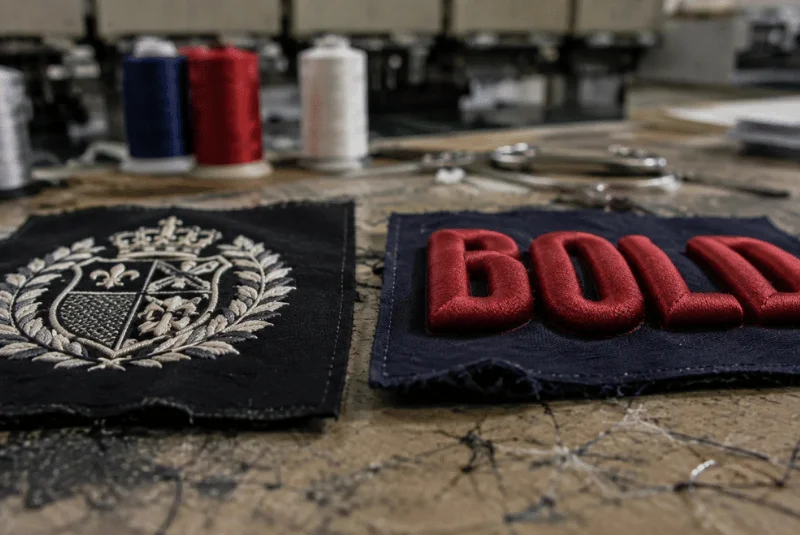
Flat embroidery vs 3D puff embroidery comparison

Flat Embroidery vs 3D Puff Embroidery

Flat embroidery vs 3d puff comes down to depth. Flat embroidery stitches thread directly onto the fabric for a smooth, detailed, hard-wearing finish, while 3D puff embroidery adds a foam underlay beneath the stitching to create a raised, tactile, high-impact look. Choose flat for fine detail and everyday durability, and choose puff for bold logos and lettering that need to stand out.


Flat embroidery vs 3d puff embroidery, both are different and stand out from their unique visuals and tactile qualities. The Embroidery Guys helps you explore the core methodology, features, uses and practice aspects, helping the businesses make well-designed projects.


Are you excited to explore it with us? Let's get started then.


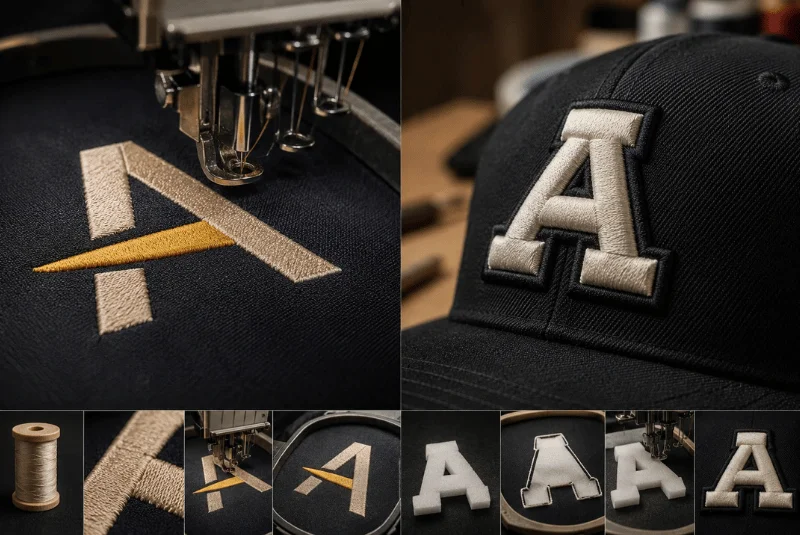
Flat vs puff embroidery process on machine and cap

What Is 3D Puff Embroidery?

3D puff embroidery is a specialized technique used for creating a three-dimensional appearance on the fabric. Whereas, this technique can be achieved by placing the foam layer under the embroidery stitching area and then stitching it tight for a dense stitch. Moreover, when it is applied, they compress and cover the foam, causing the expansion and giving a "puff" like texture. This amazing technique is known for its tactile and prominent look, ideal for traditional flat embroidery garments.


Historical Understanding of 3D Puff

This amazing methodology was very popular in the late 20th century and was used by sportsmen and fashion industries. Moreover, this technique is popular in sports merchandise, and ideal for logos and leather jackets.


You may hire The Embroidery Guys for 3D puff embroidery services and they will turn your entire experience into a versatile one. It would align you better with the trends that favor the tactile and look visually appealing and attractive.


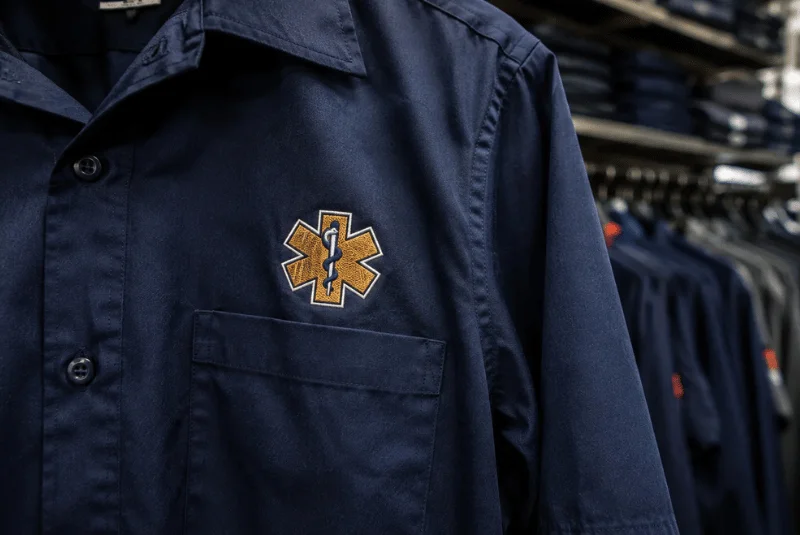
Custom embroidery on workwear uniform

Materials Required for 3D Puff Embroidery

To explain it better with this 3d puff embroidery guide, here you go with the material discussion:


Foam

Foam is the most essential element for 3D puff embroidery as it forms the foundation of the puffy designs acquired by the professionals. The material could be polyurethane or any other soft and flexible one that is non-woven and builds a foam like texture. The thickness can be changed according to the designs and height of the puff, ranging from 3 to 7 mm.


Embroidery Thread

It comes with high quality embroidery threads necessary for doing the stitch over the foam. These textures are necessary for building the standard thread quality and texture - puff like foamy.


Fabric

3D puff embroidery is ideal for supporting the weight and volume of the foam, and building the puffy texture that matches the stitches on the garments as well. Backing matters just as much here, so it is worth reading our guide on Stabilizer for 3D Puff Embroidery before you run your first design.


3D Puff Guide - Machinery Requirements

Here are the requirements for 3D puff creation (equipment breakdown):


Embroidery Machines

A high quality embroidery machine necessary for handling the thickness of the foam and fabric is very important. Therefore, the ideal machine with adjustable presser foot height is best for creating a 3D puff embroidery pattern.


Embroidery Hoops or Frames

The embroidery hoops hold the fabric and foam in place, whereas the embroidery can take place regularly.


Scissors or Cutting Tools

Sharp scissors and cutting tools are necessary for trimming the excessive foam from the material, and the stitching will be completed afterwards.


Flat vs 3D puff embroidered patches

What Is Flat Embroidery?

Flat embroidery is a creative embroidery technique used for decorating fabric using needle and thread designs that lie flush on the fabric's surface. Whereas, it doesn't create a puff like texture, instead it creates a flat embroidery involving stitching directly onto the material without any additional layers, resulting in a smooth and matte appearance.


The greatest example of flat embroidery was found first in China and the Middle East. In China, vector art dates back to at least the Shang Dynasty, and the Chinese used silk thread for creating intricate designs, featuring floral and natural-inspired themes. Whereas, in the Middle East, embroidery was used to decorate different items, from the household to the decoration stuff, and more garments. If you want to see how this sits alongside the rest of the industry, browse our overview of Other Garment Embroidery Types.


Materials Required for Flat Embroidery

Here are the materials required for creating a flat embroidery texture:


Thread

The thread work for creating a flat embroidery patch would mostly include cotton, silk, rayon, polyester, and metallic thread.


Fabrics

Whereas, the fabric selection includes cotton, linen, silk and canvas denim.


Flat Embroidery Tutorial - Tools Guide

Here is the guide for this flat embroidery tutorial:


Embroidery Hoops

Hoops are necessary for keeping the fabric intact, especially when you are doing custom embroidery. And if it comes in different sizes and materials like wood or plastic, then embroidery hoops are the right choice.


Embroidery Needles

The needle choice depends entirely on the fabric and thread type. Whereas, embroidery needles create a longer eye than regular sewing needles, making it easier for the thread to perform the embroidery and create a flossy look.


Scissors

Whereas, a good range of scissors would be necessary for cutting the threads and trimming the excessive fabric from the garments.


Thimbles

These thimbles are used for protecting the fingers while pushing the needles through the tough fabric.


Transfer Tools

Include pencils, pens, and transfer papers used to transfer the design onto the fabric before stitching begins.
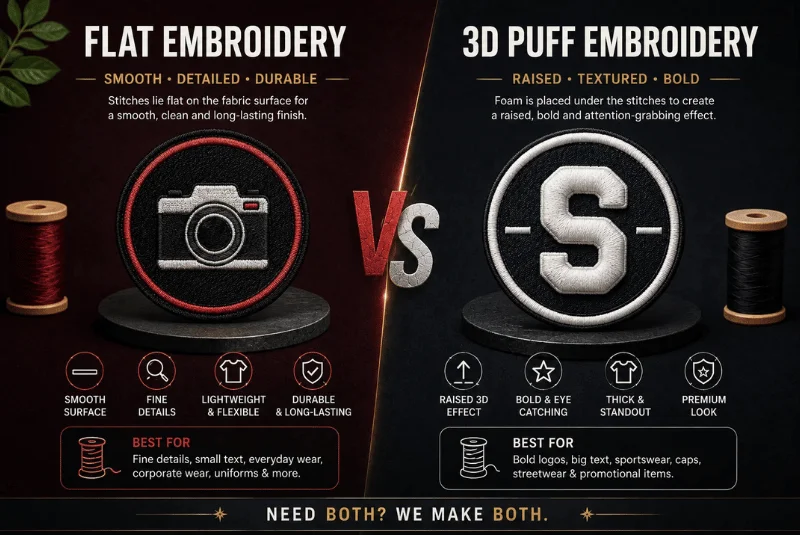
Flat Embroidery vs 3D Puff - Embroidery Style Comparison

Here is the quick flat embroidery vs 3d puff style comparison for your understanding, setting both embroidery depth methods side by side:

Feature 3D Puff Embroidery Flat Embroidery
Appearance Raised, bold, and three-dimensional Smooth, flat, and highly detailed
Texture Thick and textured Soft with minimal thickness
Ideal for Logos, artwork, text, uniforms, and intricate designs Caps, hoodies, jackets, sportswear, and bold lettering
Detailing Level Better for simple, bold designs with larger elements Ideal for fine detailing
Durability Ideal for casual use and requires extra care Highly durable for everyday use
Thread Usage Uses embroidery thread with foam underneath for a 3D effect Uses standard embroidery stitching

If your project involves heavier fabrics, our breakdown of Flat vs Puff for Denim Patches covers how each style behaves on rugged material.


3D Puff Embroidery Tips

Here are the tips for creating 3D puff embroidery patterns:


Using Bold Design

You may use 3D puff embroidery design for thick lettering and large logo patterns.


Choosing the Right Foam

For creating a puff texture, you may use a high-density embroidery foam that matches the thread color for a seamless finish.


Increasing the Stitch Density

Keeping the density of the stitch higher would result in a better appearance and puffy look.


Maintaining Proper Stitch Length

Long satin stitches would help in better coverage and reduce the risk of cutting the foam.


Using Sharp Needles

Sharp needles would help in keeping the foam clean and better looking.


Selecting Strong Threads

Lastly, selecting strong threads would help in making the appearance of the patches more attractive.


Which Embroidery Style Should You Choose?

The choice is all yours. You may choose flat embroidery patches if you want a clean and classic embroidered look. These techniques are mostly used in military uniforms, corporate apparel and tote bags ordered highly by women.


Whereas, 3D puff embroidery can be used if you want a logo or text to stand out from the crowd. However, it is used for baseball caps, streetwear, varsity jackets and premium quality branded merchandise.


Conclusion

So, make the right choice and see how you can stand out from the crowd. Feel free to share your thoughts in the comments. We would love to hear it back from you.

HAVE ANY QUESTIONS?

Customer satisfaction is our top priority. Feel free to contact us for any queries or assistance. Looking forward to serving you with our top-notch design services

A

3D puff embroidery is a specialized stitching technique that uses a foam underlay beneath the embroidery thread to create a raised, three-dimensional, and textured effect.

A

Flat embroidery is a traditional technique where threads are stitched directly onto a fabric surface without any foam or raised padding underneath, creating a smooth, two-dimensional finish.

A

The most common 3D puff embroidery tips include choosing bold sans-serif fonts, matching your thread color to the foam, and increasing stitch density.

A

Flat embroidery is generally more durable for everyday use because the stitches lie flush against the fabric. 3D puff embroidery is better suited to casual wear and branded merchandise, and it needs a little extra care to keep the raised foam from flattening over time.

A

Yes, TEG offers the best range of 3D puff embroidery, creating a finished and puffy look over the fabrics.